
Comprehensive Information on Colorectal Cancer
We have designed this site to serve as a contemporary resource for all aspects of colorectal cancer, including diagnosis, treatment options, and advanced surgical procedures. The site features detailed pages on various types of colorectal cancers, such as colon and rectal cancers, covering their causes, symptoms, stages, and treatment options.
This site is developed using the expertise of Dr. Sandeep Nayak, one of the leading colorectal surgeons globally, operating in Bangalore, India and his team. Dr. Nayak is renowned for his expertise in minimally invasive surgeries, including robotic-assisted procedures and laparoscopic surgeries for colorectal cancer treatment.
The site is regularly updated with the latest advancements in colorectal cancer care to provide you with the most current information available.
Colon & Rectal Cancer
Colorectal cancer is one of the most common cancers worldwide, and its incidence increases with age. While many colorectal cancers can be successfully treated, early detection and the right treatment plan are crucial for the best outcomes. Colorectal cancer includes cancers of both the colon and rectum, with various types and stages that require specific treatment approaches.
For an overview of colorectal cancer, including the different types, risk factors, symptoms, and prognosis, please refer to the dedicated pages on each of these topics.
Although colorectal cancer is treatable, your chances of successful treatment are highest when the right approach is taken from the beginning.
This website is divided into sections that cover various aspects of colorectal cancer and its management. We have provided essential information to help you make informed decisions about your treatment options.
Causes & Risk Factors
Colon cancer can develop due to genetic mutations, poor diet, smoking, or family history. Being over 50 or having a family history of the disease increases your risk.
Symptoms & Early Detection
Symptoms of colorectal cancer include blood in stool, drastic changes in bowel habits, unexplained fatigue, and weight loss. Early detection through colonoscopies is key.
Diagnosis & Staging
The diagnosis of colorectal cancer involves colonoscopy, CT scans, and biopsies to determine the stage of the cancer. This helps guide the treatment approach.
Meet Dr. Sandeep Nayak & Our Expert Team
Dr. Sandeep Nayak is a globally recognized colorectal surgeon, specializing in robotic and minimally invasive surgery for colorectal cancers. With over 20 years of surgical experience, Dr. Nayak has pioneered advanced techniques that minimize patient trauma, preserve healthy tissue, and promote faster recovery. As the Executive Director of Surgical Oncology and Robotic Surgery at leading hospitals in Bangalore, India, he leads a dedicated team that combines precision, expertise, and compassionate care to deliver the best possible outcomes for patients battling colorectal cancer. Dr. Nayak is committed to providing cutting-edge treatment options, ensuring that each patient receives personalized, world-class care.
The Stages of Rectal Cancer

Stage 0 (Carcinoma in situ)
The cancer is confined to the inner lining of the rectum. It has not spread beyond the mucosa (inner layer of the bowel). This stage is highly treatable with early detection and minimal intervention.
Stage I
Cancer has grown into the inner layers of the rectum but has not spread to nearby lymph nodes or distant organs. Surgery is often the recommended treatment in this stage, as the tumor is localized.

Stage II
Cancer has spread through the rectal wall to surrounding tissues but has not reached lymph nodes. Depending on the extent of the spread, patients may need surgery and chemotherapy as part of their treatment plan.
Stage III
Cancer has spread to nearby lymph nodes, but it has not spread to distant parts of the body. Treatment typically involves a combination of surgery, chemotherapy, and radiation to address the cancer's spread.

Stage IV (Advanced/Metastatic)
Cancer has spread to other parts of the body, such as the liver, lungs, or distant lymph nodes. Treatment for stage IV rectal cancer may involve surgery, chemotherapy, targeted therapy, and immunotherapy to control the spread and manage symptoms.
Advanced Treatment Options for Colon & Rectal Cancer

Treatment plan for Rectal Cancer
Neoadjuvant Therapy in Rectal Cancer

Chemotherapy Helps in Rectal Cancer Treatment

Radiation Therapy Helps in Rectal Cancer Treatment
Robotic Surgery in Rectal Cancer
Surgical Approaches for Rectal Cancer Treatment
Rectal cancer treatment has advanced with the introduction of various minimally invasive surgical options. These procedures are designed to provide effective treatment with less pain and faster recovery. Explore the latest techniques used in rectal cancer surgery through these informative video demonstrations.
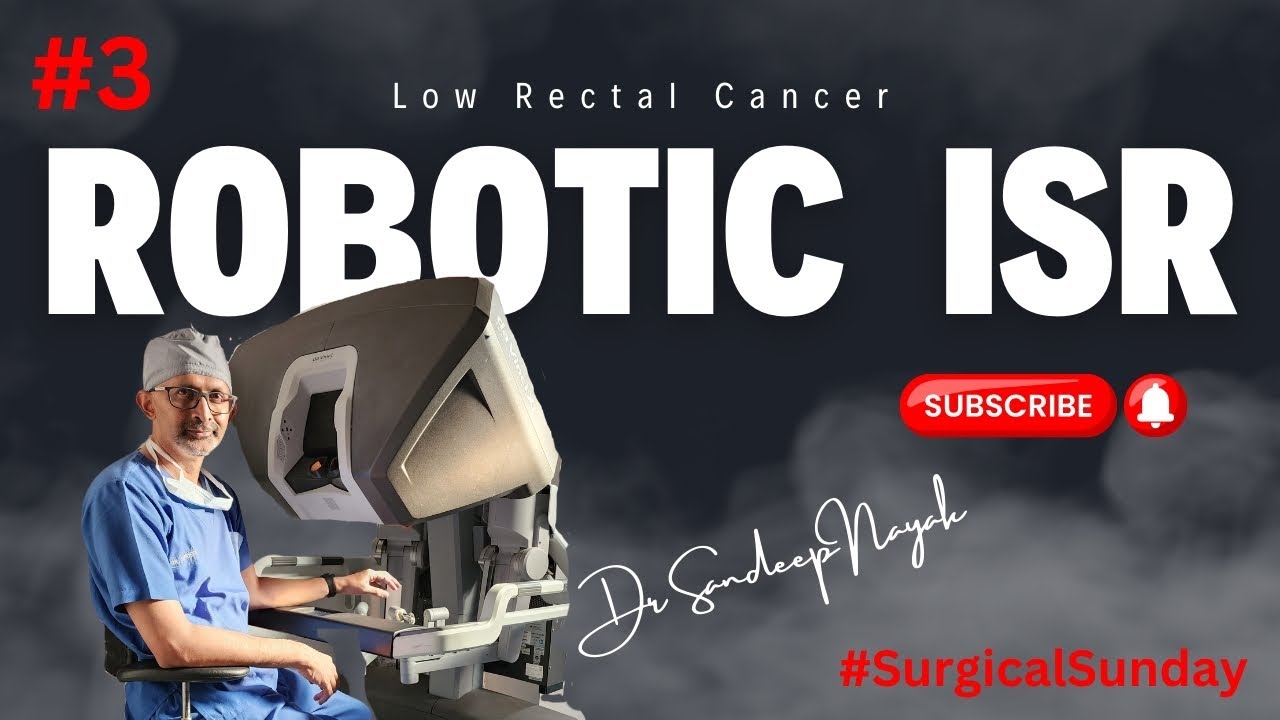
Live Robotic ISR for Rectal Cancer- Avoid Permanent Stoma
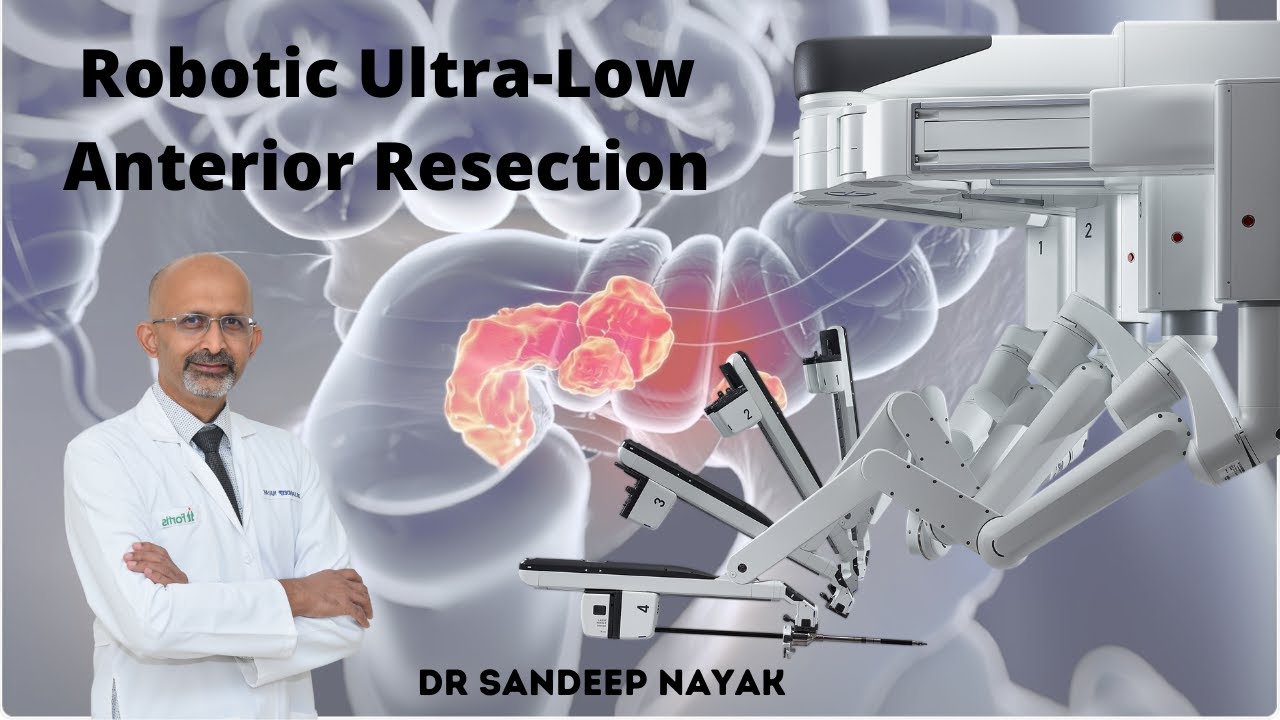
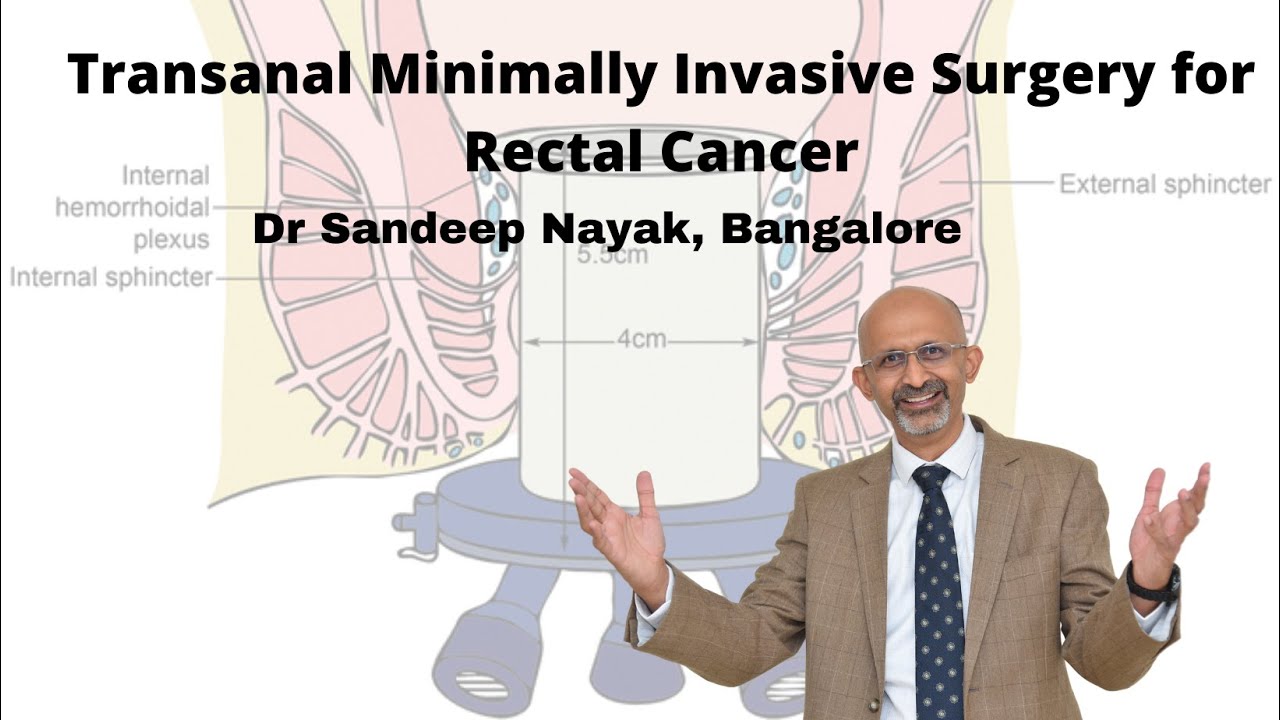
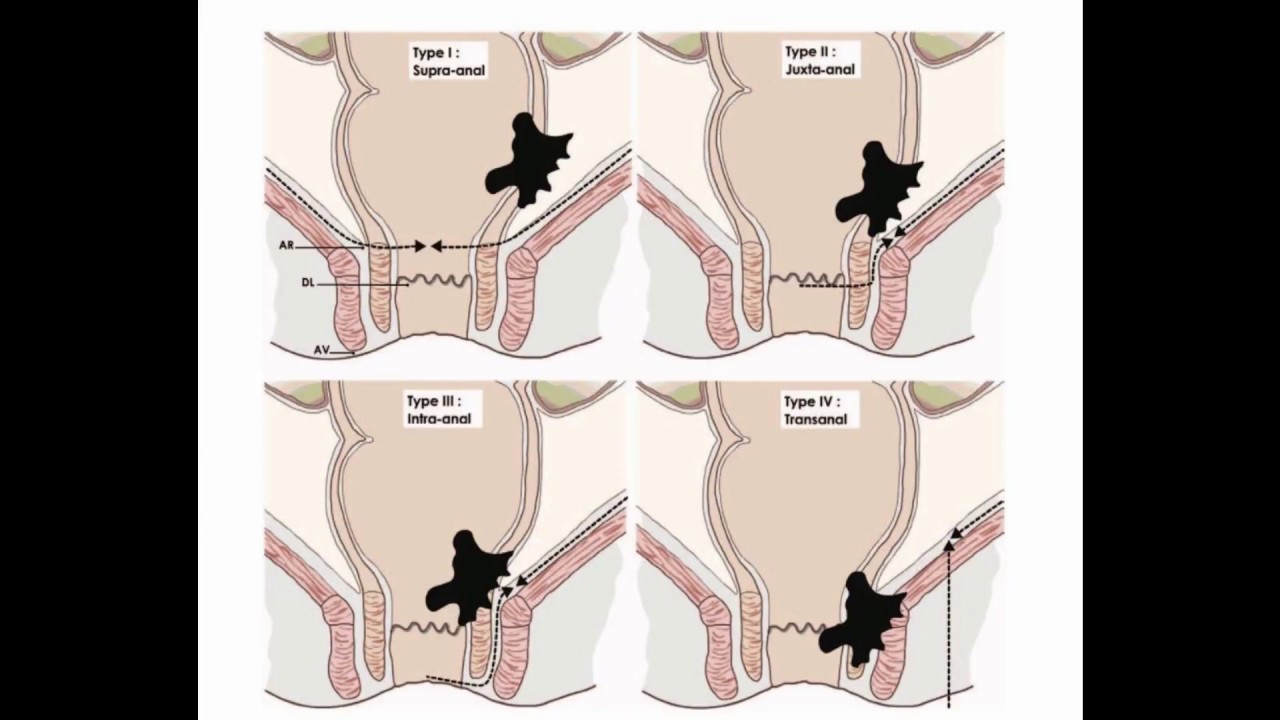
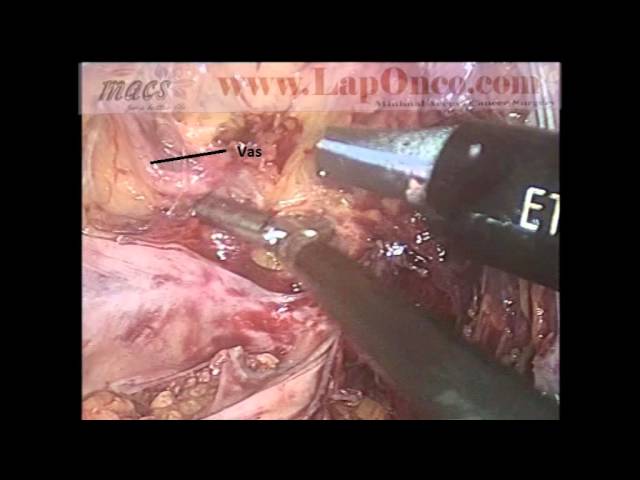
Laparoscopic Abdominoperineal resection
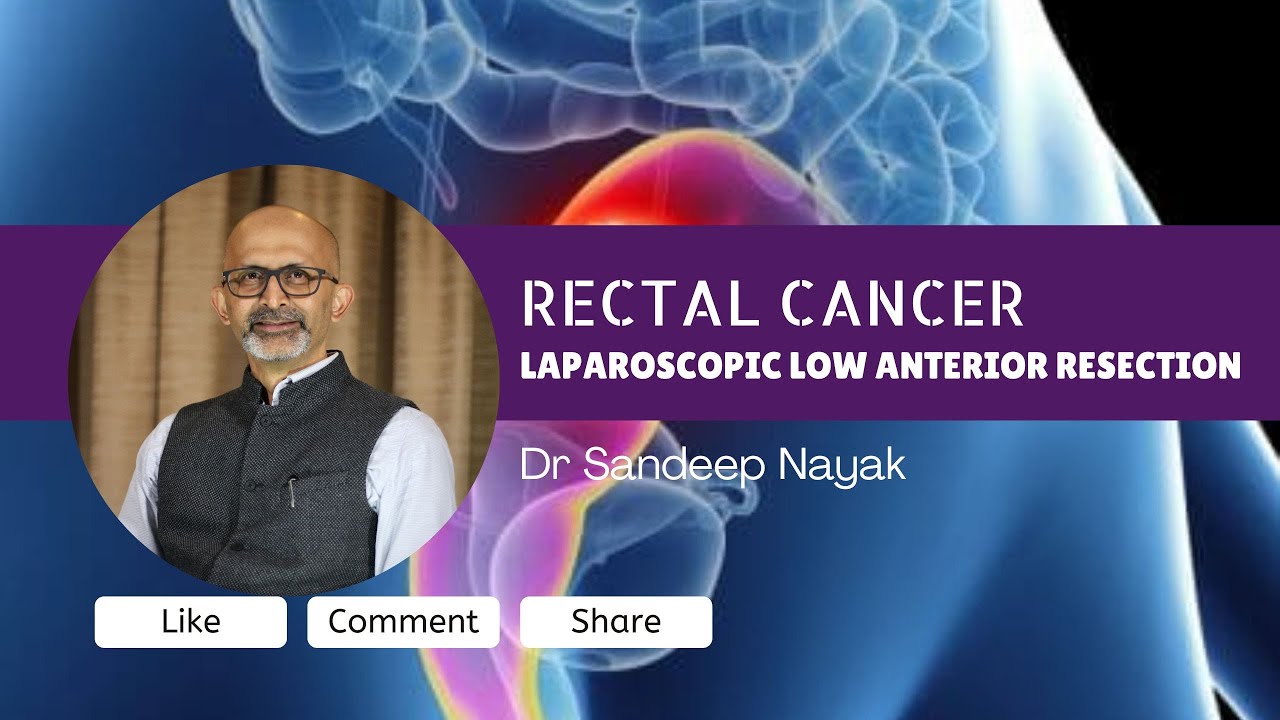
Laparoscopic Low Anterior Resection
Video Library
Quality of life after rectal cancer treatment
Diet & Lifestyle Tips for Rectal Cancer Patients
How to Prevent Rectal Cancer
How to Prepare for Rectal Cancer Treatment
How to Prepare for Rectal Cancer Treatment